


According to a January 2025 SquareMouth Travel Insurance survey, the average trip now costs over $7,200, marking a 24% increase compared to 2024. It also revealed that nearly 75% of travelers plan to take no more than two trips in 2025.

If you’re heading abroad this summer, you may have noticed that everything—from hotel rates to restaurant meals—suddenly feels more expensive. The culprit? Currency shifts. In 2025, volatile exchange rates are making holidays pricier for travelers across the globe.
Let’s explore what’s going on with foreign exchange (FX), how it’s affecting travel budgets, and what you can do about it.
1. The Dollar’s Slide
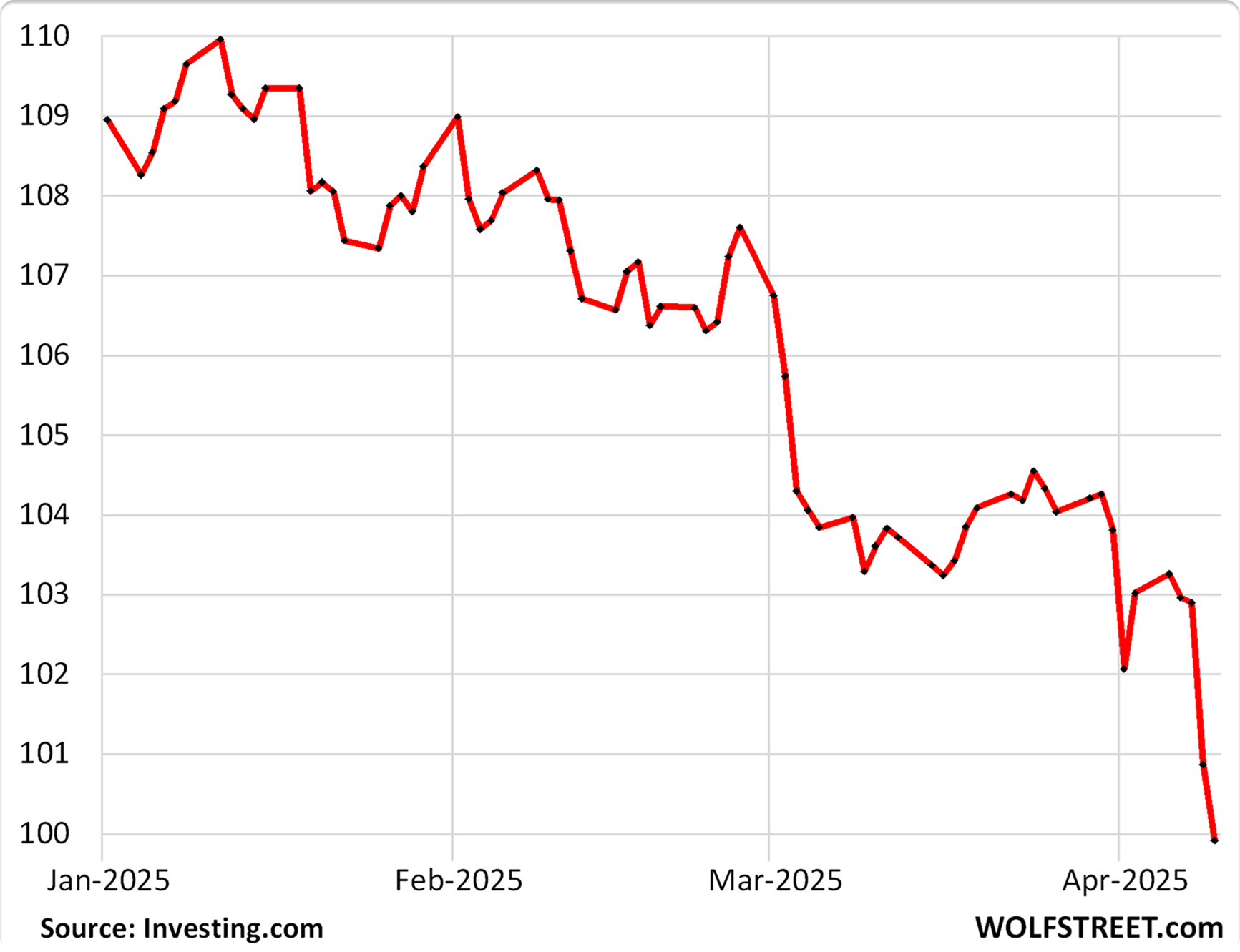
The U.S. dollar has recorded its biggest six-month drop since the post-Nixon era, falling approximately 11–13% against major currencies like the euro and yen. While this primarily reflects changes in the U.S. economy, the dollar plays a pivotal role in global pricing—from flights to accommodation—so the ripple effects are widespread.
Even travelers from countries with stronger currencies may find that dollar-based pricing abroad (such as in parts of Asia, the Caribbean, or South America) has shifted unfavourably.
2. What That Means for International Holiday Costs
Eurozone:
At the start of the year, €1 was equivalent to roughly $1.12 USD. Now, that’s closer to $0.85 USD—a change that not only impacts Americans, but also travelers from dollar-pegged economies or countries whose currencies track closely to the dollar.

United Kingdom:
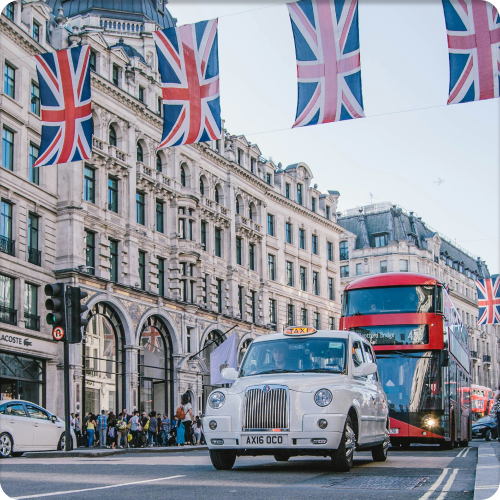
The British pound has appreciated by around 6–8% against the dollar, but that hasn’t automatically translated to cheaper travel for UK tourists. Many global destinations still price goods and services in USD or EUR, so UK travelers also face price shifts depending on their destination and the local FX dynamics.
Real-World Examples:
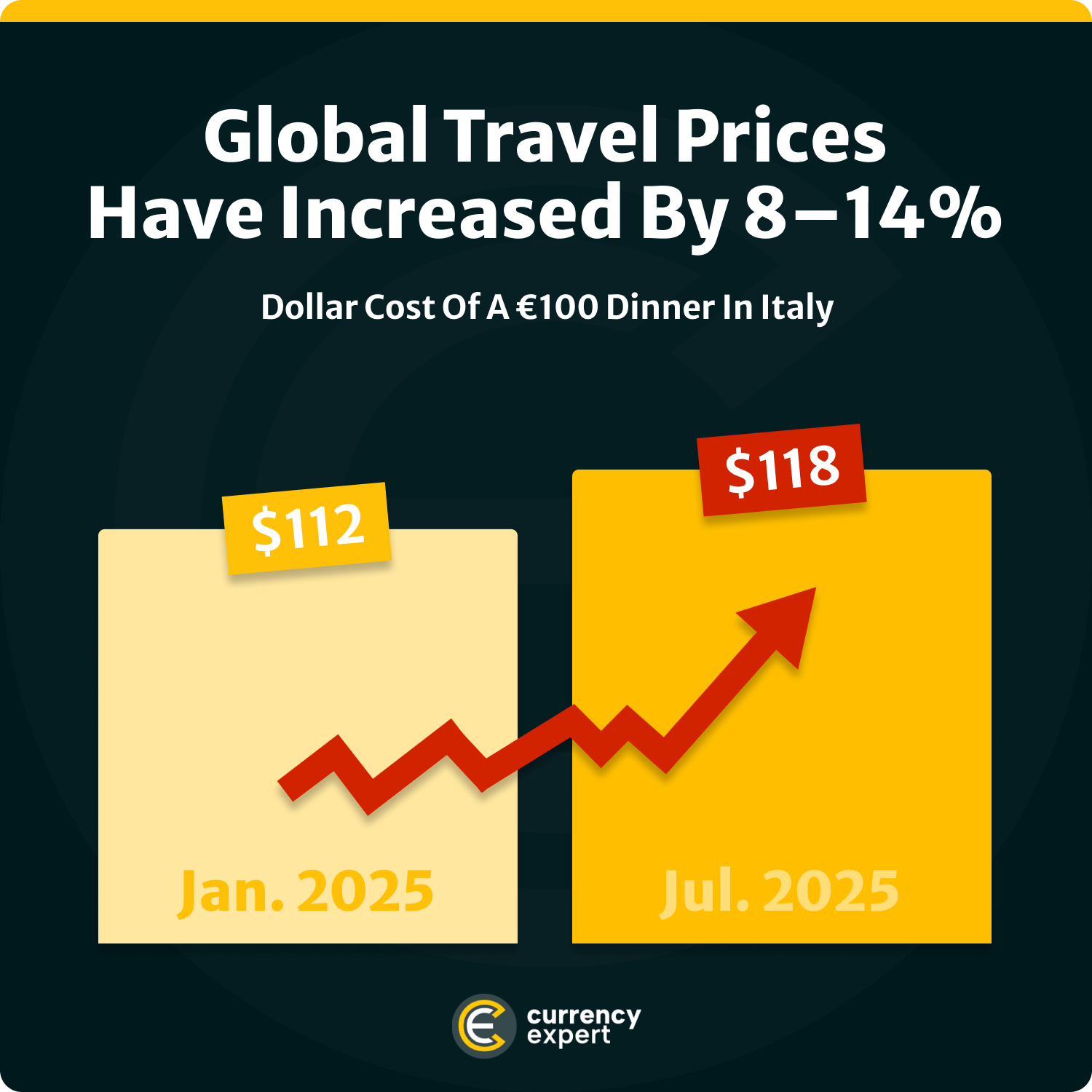
A €100 dinner in Italy that cost $112 in January might now cost closer to $118.
A hotel in Thailand quoting prices in USD may now be 10–15% more expensive for travelers from countries with currencies tied to or lagging the dollar.
Overall, global travel prices have increased by 8–14% depending on where you’re going and the currency you’re exchanging from.
3. Why Is This Happening?
Several key factors are driving the currency shake-up:
Interest Rate Realignment
As the eurozone and other economies stabilise and begin to raise interest rates, the U.S. dollar has lost some of its traditional yield appeal. This rebalancing is influencing how investors and markets treat global currencies.
Trade Policy Uncertainty
Geopolitical tensions, ongoing tariff threats, and shifting trade alliances (particularly between the U.S., EU, China, and others) have caused investors to reposition, adding further volatility to FX markets.
The result: a less predictable environment for travelers converting money.
4. Travel Trends: Still Strong, But Price-Sensitive
Despite rising travel costs, interest in global holidays remains high. However, surveys show that price sensitivity has grown:
- Travel to Europe has dipped slightly due to higher costs, even as interest remains strong from travelers in Asia, Australia, and North America.
- In multiple regions, nearly half of non-travelers cite “high travel costs” as the primary reason for staying home.
5. Smart Currency Tips for Every Traveler
The good news? There are smart ways to protect your travel budget, no matter where you’re from.
Book in Advance
FX markets can swing from week to week. Booking your flights and accommodation early can help you avoid currency surprises closer to departure.
Use Multi-Currency Travel Cards
Apps and services like Revolut, Wise, and fee-free cards from banks such as Starling or Barclays allow you to lock in favourable exchange rates and avoid hidden fees.
Budget in Local Currency
Instead of calculating in your home currency, plan your trip based on local prices. This helps you stay on track regardless of exchange rate movement.

Bottom Line
Whether you’re flying from Toronto, Tokyo, London, or São Paulo, your holiday money may not go as far as it did just a few months ago. Currency fluctuations in 2025 have added 8–14% to the cost of travel for many international tourists.
Planning ahead, using the right tools, and keeping your spending flexible can help you make the most of your journey—without feeling the sting every time you tap your card abroad.
Sources
- https://www.marketwatch.com/story/the-dollar-is-having-its-worst-year-since-nixon-three-reasons-it-will-get-even-weaker-fc3c7a20
- https://www.wsj.com/finance/currencies/us-dollar-value-spending-power-travel-aeae581a
- https://www.foxbusiness.com/economy/how-does-weaker-dollar-impact-us-vacationers
- https://www.businessinsider.com/weak-dollar-could-hurt-shopping-summer-travel-costs-2025-4
- https://www.reuters.com/world/middle-east/euro-eases-after-trump-threatens-30-tariffs-eu-2025-07-14/
- https://etc-corporate.org/news/overseas-travel-intentions-to-europe-soften-for-summer-2025-amid-global-tensions-and-rising-costs/
- https://www.thesun.co.uk/money/35067810/pound-rises-holiday-boost-dollar/